


Dog anxiety can be a common but challenging issue for many pet owners. It’s no surprise that in a bustling city like Los Angeles, our four-legged friends might experience a range of emotions due to various environmental factors. When it comes to dog training in Los Angeles, one common issue trainers often deal with is anxiety.
Whether you’re dealing with a nervous rescue pup or a dog that’s developed anxiety over time, understanding the causes and solutions is key.
What Causes Dog Anxiety?
There isn’t one single cause of dog anxiety. Just like people, dogs are individuals with their own personalities and triggers. However, certain common factors can increase the likelihood of your dog feeling anxious.
Separation Anxiety
Separation anxiety is probably the most well-known form of dog anxiety. Your dog becomes upset when you leave them alone, even for a short time. In a busy city where people are often away for work or social commitments, separation anxiety is a significant issue in Los Angeles. Dogs may bark excessively, chew furniture, or have accidents indoors. These behaviors aren’t just frustrating—they’re signs of distress.
Loud Noises
Los Angeles can be noisy. Whether it’s traffic, construction, or the annual Fourth of July fireworks, many dogs become overwhelmed by loud, sudden sounds. A dog’s heightened sense of hearing makes them especially sensitive to these stimuli. If your dog is trembling or pacing during a noisy event, this could be a sign they’re experiencing anxiety.
Changes in Routine
Dogs thrive on routine. Sudden changes—like moving to a new home, introducing a new pet, or even shifting meal times—can cause stress for your furry friend. Many pet owners in Los Angeles move frequently due to the fast-paced nature of life in the city, which can contribute to this type of anxiety.
Recognizing the Signs of Dog Anxiety


Sometimes, the signs of anxiety are subtle. Other times, they’re more obvious. Here are a few ways to tell if your dog might be anxious:
- Excessive licking or grooming
- Destructive behavior, like chewing furniture or digging
- Restlessness or pacing
- Increased barking or whining
- Trembling or hiding
Each dog will exhibit anxiety differently, but these common signs are good indicators that something might be wrong.
How Dog Training in Los Angeles Can Help
If your dog is showing signs of anxiety, seeking out dog training in Los Angeles can make a world of difference. Many professional trainers specialize in helping anxious dogs regain confidence and comfort in their environment. Here’s how training can help:
Desensitization Training
One effective method is desensitization training. In this process, dogs are gradually exposed to the source of their anxiety in controlled doses. For example, if your dog fears loud noises, a trainer might play a recording of thunder at a very low volume, slowly increasing the sound over time. By doing this, the dog learns that loud noises aren’t something to fear.
Positive Reinforcement
Positive reinforcement is a key aspect of many training programs in Los Angeles. This method involves rewarding your dog for calm behavior. If your dog exhibits anxiety when you leave, a trainer may teach you how to reward your dog for being calm when left alone for short periods, gradually increasing the time.
Routine and Structure
Training can help establish a daily routine, which is crucial for anxious dogs. Trainers often emphasize creating a predictable schedule for feeding, walking, and playtime. This structure helps anxious dogs feel secure because they know what to expect.
Natural Treatments for Dog Anxiety
While training plays a crucial role in reducing dog anxiety, there are other natural methods you can incorporate into your routine.
Exercise
In a city as active as Los Angeles, taking your dog on regular walks or engaging them in exercise can help manage anxiety. Physical activity releases endorphins, which act as natural stress relievers for dogs. Whether it’s a hike up Runyon Canyon or a jog along the beach, making time for exercise can have a noticeable impact on your dog’s mood.
Calming Supplements
There are several natural supplements designed to help calm anxious dogs. Ingredients like chamomile, valerian root, and melatonin can help soothe your dog’s nervous system. However, it’s important to consult with your vet before introducing any new supplements into your dog’s diet.
Aromatherapy
Just like humans, dogs can benefit from aromatherapy. Lavender essential oil, for example, has calming properties that may help reduce your dog’s anxiety. Diffusing calming scents in your home, or using a dog-safe spray on your dog’s bedding, can create a peaceful environment for your pet.
Real-Life Example: How Training Helped Max Overcome His Anxiety
Take the case of Max, a two-year-old rescue dog living in Los Angeles. Max had severe separation anxiety. Every time his owner left the house, Max would chew up pillows and scratch the door. His owner tried everything but couldn’t break the cycle of destruction.
After seeking out a professional trainer who specialized in anxiety, Max began a desensitization program. The trainer worked with Max on positive reinforcement techniques, rewarding him for staying calm for just a few minutes at first. Gradually, the time increased, and Max’s anxiety started to decrease.
Six months later, Max no longer chews furniture when left alone, and his owner can leave the house without worrying about returning to a mess. This is just one example of how dog training in Los Angeles can transform an anxious dog into a calm, well-behaved companion.
The Importance of Socialization in Dog Training
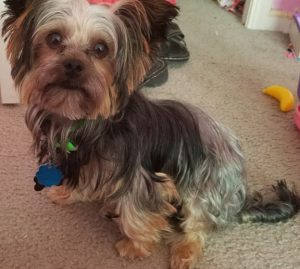

For dogs with anxiety, proper socialization is vital. In a city like Los Angeles, where dogs encounter numerous new people, pets, and environments daily, building their confidence around new stimuli is essential. Through regular socialization, dogs learn that new experiences aren’t something to fear.
Many training programs in Los Angeles incorporate socialization into their routines, whether through group classes or dog-friendly outings. This kind of exposure helps desensitize anxious dogs to the busy city environment.
Closing Thoughts on Dog Anxiety
Understanding the root cause of your dog’s anxiety is the first step toward finding the right solution. Whether it’s desensitization training, establishing a consistent routine, or incorporating calming treatments, there are plenty of methods available to help your dog feel at ease. By seeking out dog training in Los Angeles, you’re not only addressing your dog’s anxiety but also improving their overall quality of life.
Every dog is different, so finding the right combination of treatments and training methods is key. And remember, with the right approach, your anxious dog can learn to feel safe, confident, and happy.