Yorkie Coat Colors – A Guide to the Yorkshire Terrier Coat Coloring
Welcome to the world of Yorkshire Terriers, those adorable little buddies with coats as unique as their personalities. In this guide, we’re taking a simple stroll through the colors of Yorkie coats – it’s like a story where each pup has its own special style.
Imagine a tiny Yorkie pup starting with a black and tan look. Now, as they grow up, their coats decide to switch things up, making adulthood a bit of a surprise package. It’s like a color-changing adventure, and we’re here to spill the beans, clear up any confusion, and shine a light on the wonderful world of Yorkie coats.
This guide is like a friendly chat about our furry pals’ wardrobes. So, let’s begin and explore a world where every bit of fur tells a story, speaking the language of variety, genetics, and the timeless charm of Yorkshire Terriers. Welcome to the comfy, colorful side of the Yorkie world!
Before you read our article about Yorkie coat colors, check out this cool video from Animal Sector. They show you the 9 different colors of Yorkshire Terriers and why they’re so special. Watch it to see all the adorable fur shades, and then jump into our article to learn even more about Yorkie coat colors!
Exploring Yorkie Colors (Weeks 2-5)
Let’s peek into the world of adorable Yorkshire Terrier pups! When these little furballs are 2 to 5 weeks old, their coat colors start to show up. It’s like watching an artist pick colors for a painting. The American Kennel Club (AKC) has set five standard colors for Yorkies, and they’re pretty cool: black and tan, black and gold, blue and gold, blue and tan, and some have a mix of these colors, called particolored coats.
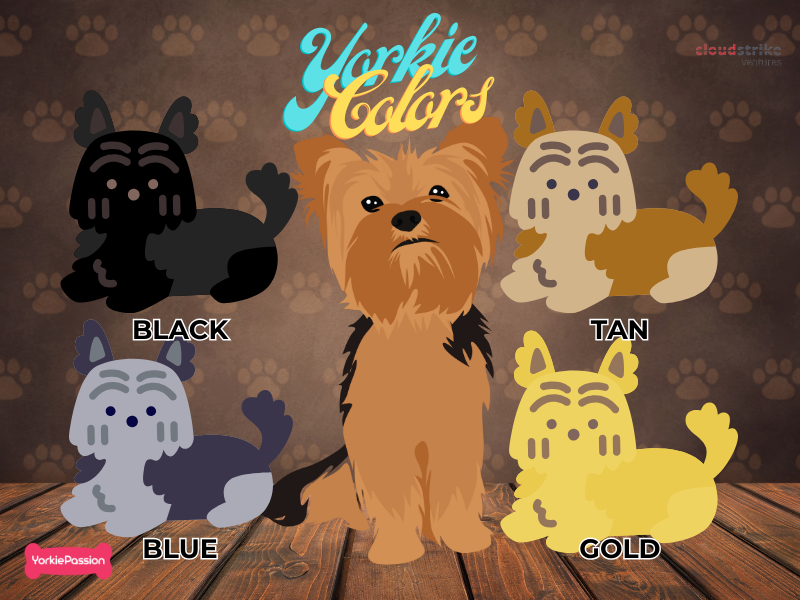
- Black and Tan: Think of it like a Yorkie wearing a black jacket on top and tan pants below. It’s a bold and classic look.
- Black and Gold: Similar to black and tan, but with a bit of gold bling! The gold usually shows up on their face and paws.
- Blue and Gold: This one adds a silvery blue tint to the black coat, making it look fancy. The gold parts complement the blue, making it all elegant.
- Blue and Tan: Imagine a black coat with a hint of bluish tint. It’s a subtle and classy twist to the usual black and tan style.
- Particolored Coats: Some Yorkies are extra special with a mix of these colors, creating a colorful and playful look. It’s like having a little rainbow on their fur!
Now, these colors aren’t just for looks. They can tell us about the health of these cuties. Good breeders make sure Yorkies follow these color standards because changes in colors might mean something is up with their health.
Here’s another Yorkie article you’ll also enjoy: Color Changes in Yorkies

Growing Up with Yorkie Colors (Weeks 2-5)
Imagine meeting a tiny Yorkie puppy – mostly black with some tan spots. It’s like a little artist starting to paint! As the weeks go by, this pup’s fur undergoes a magical transformation, showing off a mix of colors that will stick around as they grow up.
Look closely, and you might notice some white marks on their chest. These little patches are like hints of the beautiful adult coat that’s on the way. As the pup gets bigger, these white marks might become more noticeable, giving a sneak peek into how their fur will look as a grown-up Yorkie.
Growing up is like reading a fascinating story. People who love dogs, like breeders and fans, watch closely as these colors change. It’s a bit like solving a mystery and adds an extra layer of fun to taking care of a Yorkie.
During these early weeks, the pup’s fur isn’t just about looks – it’s like a visual diary of how they’re growing. Every color change tells a special story, showing off what makes each Yorkie unique. From the first tan hints to the big reveal of their adult coat, it’s a beautiful journey that highlights the amazing way nature works.

Perfect Coats – How Grown-Up Yorkies Stay Stylish
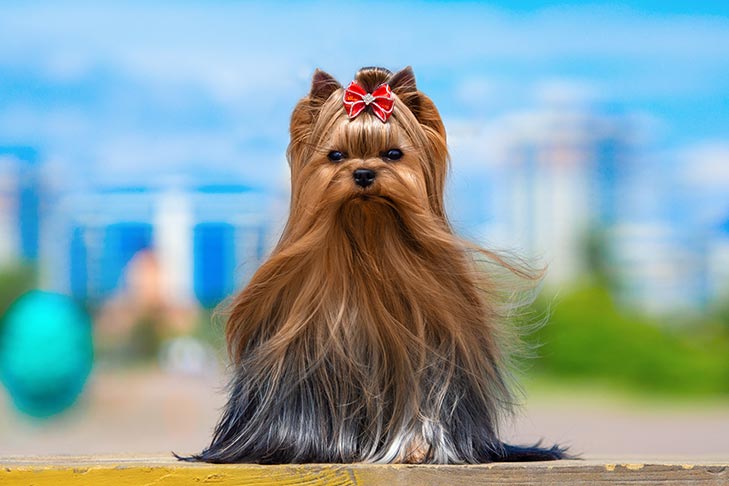
As our little buddies grow up, they aim to have the perfect coats. Think of it like wanting super shiny, soft, and smooth fur. The big dog clubs, like the American Kennel Club (AKC) and the Yorkshire Terrier Club of America (YTCA), have a checklist for the ideal Yorkie coat – it should be glossy, fine, and silky. But getting the coat just right is a bit tricky, with some variations causing challenges for breeders trying to make the best Yorkies.
- Glossy Coat: Picture a Yorkie with a glow – that’s a shiny coat! It shows the pup is healthy and well taken care of. To keep this shine, they need regular grooming and a good diet designed for Yorkies.
- Fine Texture: The perfect Yorkie coat should feel super soft, like a fluffy pillow. This isn’t just about looks; it’s a key part of what makes Yorkies look special. Breeders pay close attention to this, picking traits that make the coat feel fine and velvety.
- Silky Smoothness: Imagine petting a Yorkie and feeling silky smooth fur. That’s the goal! Getting the right mix of silkiness involves careful breeding and keeping up with grooming routines like brushing and conditioning.
Even though there’s a guide for the perfect Yorkie coat, it’s not always straightforward. Breeders deal with variations in color, texture, and length. Every Yorkie is different, so getting the coat just right takes time and patience.
Here’s another Yorkie article you’ll also enjoy: Dog Noses: Color Changes, Runny Nose, Health Concerns, and Treatments

Discovering Different Yorkie Coats
Let’s talk about the cool variations in Yorkie fur! They come in different types – some are soft like cotton, some feel like wool, some are a bit wiry, some are short, and some have a special red color on their legs. Each type needs its own way of grooming to keep these furry buddies looking awesome.
- Cottony Coats: Imagine a Yorkie with fur as soft and fluffy as cotton. This type needs extra care to prevent tangles. Regular brushing and conditioning are crucial to keep it tidy and healthy.
- Wooly Textures: Some Yorkies have fur like a fluffy lamb. It’s thicker, so it needs careful grooming to avoid tangles. Regular trims and brushing help keep the wooly coat looking great.
- Wiry Feel: Think of a Yorkie with fur that feels a bit wiry. It’s unique and adds character to the coat. While not as high-maintenance, regular grooming is still important to keep the fur healthy and charming.
- Short Coats: Some Yorkies have short fur that’s easy to manage. Even though it seems low-maintenance, regular brushing helps control shedding and keeps the coat shiny and healthy.
- Red-Legged Variety: In a fun twist, some Yorkies have a special touch – their leg fur is a warm red color. It adds an extra bit of cuteness to their look.
Knowing about these different coats isn’t just about looks; it’s also about understanding what each type needs. Taking care of their fur in the right way makes sure our furry pals stay happy and healthy.

Exploring Unique Yorkie Colors
Now, let’s talk about some Yorkies with colors that might turn heads – the not-so-traditional ones. We’re talking about parti colors (when they have patches of different colors), liver or chocolate hues (like a chocolate-colored coat), and piebald coats (with irregular patches on a white background). These colors don’t always follow the rules, especially in the show world where they stick to certain standards. But, the rarity and special look of Yorkies with these unique colors make them quite valuable. Join us as we unravel the mysteries around these non-traditional hues.
- Parti Colors: Imagine a Yorkie with a mix of colors in their fur – that’s parti colors. Some people really like the playful vibe of these variations, but in shows, they might raise some eyebrows. Parti-colored Yorkies break away from the usual solid patterns that we often see in other Yorkies.
- Liver or Chocolate Hues: Picture a Yorkie with a coat that looks like chocolate or liver. It’s a bit different from the usual black and tan or blue and gold, and while some folks love it, it might not always fit the traditional standards. But, the uniqueness of these colors adds a special touch for those who appreciate a different look.
- Piebald Coats: Now, piebald coats have irregular patches of color on a white background. It’s like having artistic splashes on their fur. Even though this pattern might not win in a show ring, its rarity makes Yorkies with piebald coats stand out, making them extra special.
These unique colors sometimes cause a stir because they don’t stick to the usual rules set by breed standards. Shows usually prefer a specific look, but many Yorkie fans love the charm and individuality that come with these different coat colors.
Understanding the appeal of non-traditional colors means recognizing the diverse looks that Yorkies can have. While some like the classic style, others find joy in the playful and one-of-a-kind appearance of Yorkies with these special hues.
Here’s another Yorkie article you’ll also enjoy: Purebred or Non-Purebred Yorkies – How to Tell if Your Yorkie is Purebred
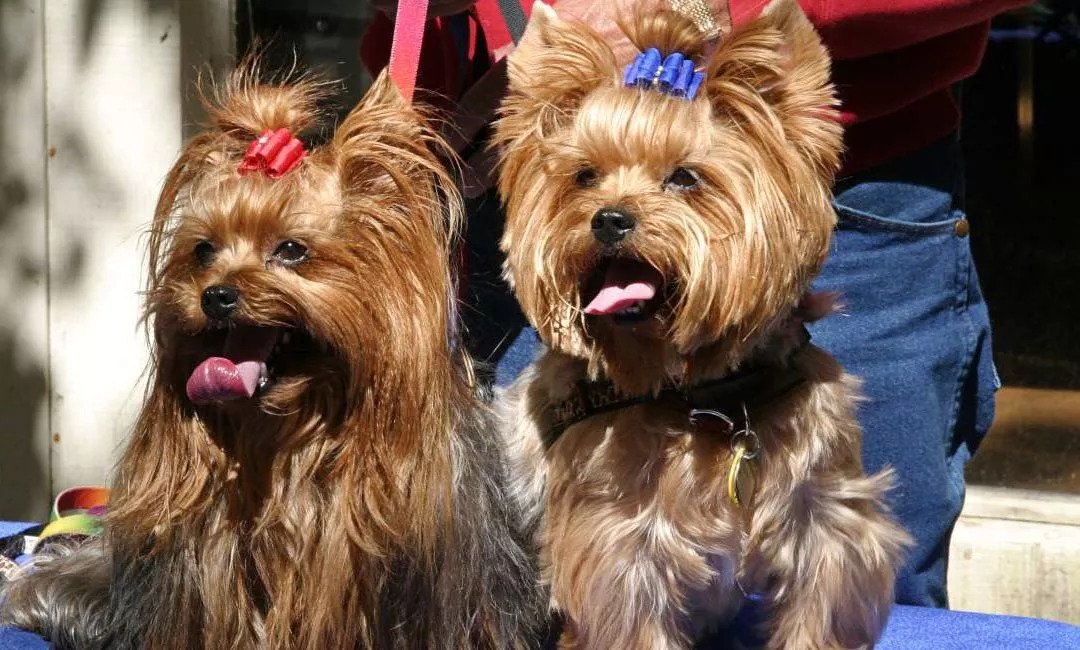
The Magic of Yorkie Colors – It’s All in the Genes!
Okay, let’s talk about the cool science stuff that makes Yorkies’ fur look so awesome – it’s called genetics. Imagine genetics as the behind-the-scenes wizard making the enchanting diversity of Yorkie coat colors possible. The key players here are melanin, the pigment that adds color, and two main shades: eumelanin (for black) and phaeomelanin (for red).
- Melanin Magic: Picture melanin as the artist’s palette, creating all the beautiful colors we see in Yorkie fur. Eumelanin gives us blacks and blues, while phaeomelanin is in charge of reds and yellows. The mix and levels of these pigments are like the magic ingredients that decide a Yorkie’s coat color.
- Eumelanin and Black Coats: When it comes to black coats, eumelanin steals the show. The more eumelanin, the darker the coat. That’s why black Yorkies look sleek and classic – lots of eumelanin is at play.
- Phaeomelanin and Reds: Now, phaeomelanin is the hero behind the red tones in a Yorkie’s coat. How much and where it’s distributed decide how intense those cute reddish accents will be.
- Genetic Mix and Match: The real magic starts when we mix these melanin pigments based on a Yorkie’s genes. Genes from mom and dad team up to decide which pigments will be strong, creating a unique color palette for each little pup. It’s like a genetic artwork that unfolds as they grow.
- Color Changes with Age: As Yorkies grow up, their coat colors can change. This happens because their genes express themselves differently over time. What starts as a hint of one color might turn into a richer shade as they become big dogs, keeping us excited as we watch them grow.
Understanding the genetics of Yorkie colors is like breaking the secret code behind their beautiful hues. It adds a whole new layer of fun to having these furry pals!
Here’s another Yorkie article you’ll also enjoy: What Does A Yorkie Look Like? The Surprising Things You Didn’t Know About the Yorkie’s Looks
Here’s another Yorkie article you’ll also enjoy: Signs a Yorkshire Terrier is in Heat